Let’s get something straight: Kamala Harris didn’t lose the 2024 presidential election because she was a woman, or because she was Black. She lost because she failed to connect. Period.
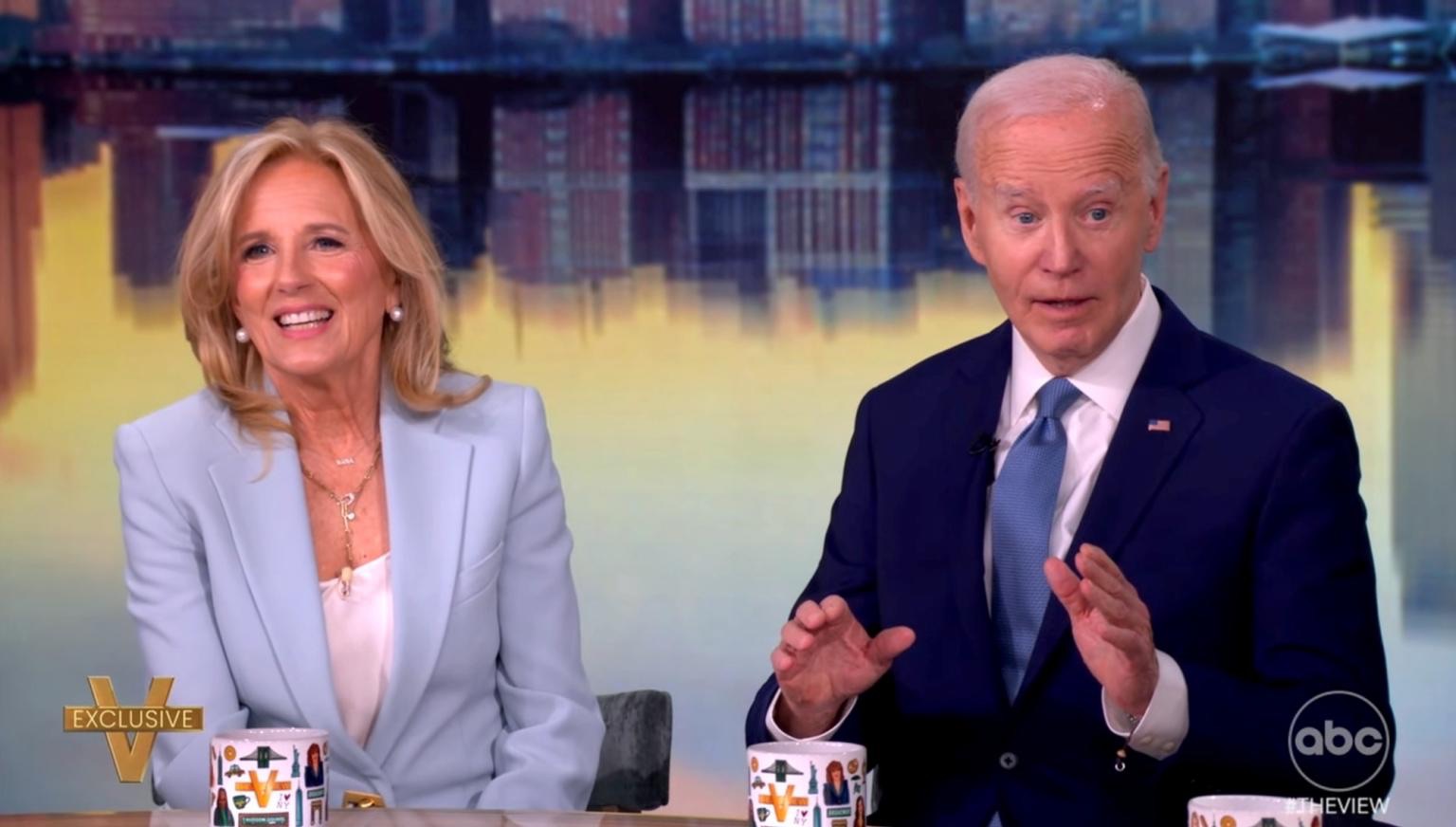
The post-election spin has been relentless. Former President Joe Biden, in his recent appearance on The View, offered a now-familiar narrative: that America simply “wasn’t ready” for a woman of color to lead the country. According to Biden, Harris was the victim of a sexist and racist undercurrent in American society that no candidate could overcome.
But let’s be honest—that’s not truth. That’s political theater.
Harris’s failure was not due to the country’s demographics, but to her own inability to reach beyond the insulated world of Beltway operatives, identity-driven messaging, and donor-class platitudes. What ultimately doomed her candidacy was a profound disconnect from the very voters who swing elections: suburban independents, moderate Black and Latino families, and working-class Americans of every race.
The Real Battlefront: Swing Voters, Not Twitter Threads
Elections aren’t won on MSNBC segments or social media hashtags. They’re won in real-life places like Scranton, Macon, Yuma, and Detroit. Voters in these battleground regions aren’t interested in curated Instagram aesthetics or slick one-liners about breaking barriers. They want vision. They want leadership. They want policy substance over performative symbolism.
And Kamala Harris didn’t offer that.
She entered the race with unprecedented institutional backing—Hollywood, Silicon Valley, and mainstream media eagerly carried her banner. She had every advantage a modern candidate could dream of: elite endorsements, big money, a favorable press, and the historical weight of her identity. But none of it translated into enthusiasm on the ground.
Why? Because she couldn’t answer the basic question every American voter asks: “How are you going to make my life better?”
Biden’s Excuse-Making Is the Political Equivalent of Gaslighting
Biden’s defense of Harris on The View wasn’t just misleading—it was dismissive of voters’ real concerns. “They went the sexist route,” he claimed. “I’ve never seen quite as consistent a campaign undercutting the idea that a woman could lead the country.”
That’s not a diagnosis; it’s a deflection.
In reality, the country already showed it’s willing to elect women—just not women who fail to connect. The issue wasn’t her gender. The issue was her message. Or more accurately, the lack of one.
Her campaign team bet the farm on identity politics, assuming her racial and gender background would automatically galvanize support. But this approach backfired with voters who are increasingly demanding more than labels—they want leaders who deliver results.
Identity ≠ Competence: Voters Want Problem-Solvers, Not Saviors
One of the fatal flaws of Harris’s campaign was its overreliance on surface-level representation. In place of a strong economic plan or a concrete policy agenda, we got talking points about diversity, historic milestones, and symbolic appointments.
But let’s be clear: identity can’t fix the price of gas. It won’t lower grocery bills. It won’t make streets safer or secure the border.
Harris’s refusal to address core voter issues—rising inflation, educational decline, immigration chaos, crime in major cities—left her looking out of touch. She avoided tough interviews. She stumbled through unscripted questions. And her administration’s record—from handling of the southern border to evasion on foreign policy—read more like a bureaucratic résumé than a leadership blueprint.
Moderates and Independents Wanted Answers—Not Rhetoric
Swing-state voters didn’t walk away from Harris because they feared her. They walked away because they didn’t feel her. Her words felt rehearsed. Her tone felt hollow. Her campaign felt elitist—more concerned with what Twitter influencers thought than what Midwestern families needed.
There’s a myth in progressive circles that every loss must be the result of racism or sexism. But constantly framing voters’ choices through that lens is patronizing—and dangerously anti-democratic. It erases legitimate critique and alienates voters who simply want accountability, results, and leadership with spine.
Democrats Keep Misreading the Political Room
This isn’t the first time the Democratic Party has blamed the electorate instead of assessing its own messaging failures. From Hillary Clinton’s “basket of deplorables” to Harris’s vague platitudes about equity, the party continues to lecture when it should listen.
The truth? America is not some irredeemable, bigoted nation. In fact, voters across the country have consistently shown openness to candidates of all backgrounds—when those candidates show up with clarity, courage, and competence.
Harris didn’t lose because of hate. She lost because of hubris.
Final Word: Elections Are Earned, Not Entitled
Kamala Harris’s campaign assumed history would carry her across the finish line. They were wrong.
She didn’t build a coalition. She didn’t meet people where they were. She failed to offer tangible hope or meaningful policy.
Instead, her team leaned into identity, avoided critical conversations, and relied on a media echo chamber that believed resistance to her candidacy was inherently bigoted.
But elections don’t reward entitlement. They reward effort, authenticity, and results. And in 2024, voters delivered their verdict loud and clear: Kamala Harris wasn’t the answer.
Discover more from BLKsignal News
Subscribe to get the latest posts sent to your email.